Ryan Eddowes, zoologist, herpetologist, presenter and geography instructor at Heath Park School in Wolverhampton.
“You could be a zookeeper or a vet.”
Growing up, these were the only options given to students studying their GCSEs if they were interested in working with animals or environmental protection. There was little awareness of the wide range of careers available in conservation, ecology, wildlife research, wildlife media, environmental science, and other fields dedicated to protecting the natural world.
Our impact on nature and the environment continues to grow, while our connection to and understanding of the natural world is declining. This is why the Natural History GCSE is so important. It would give students a deeper understanding of the relationship between people and nature, helping them recognise the impact our actions have on the planet. In turn, it would inspire and empower the younger generation to make more informed decisions and play a leading role in reducing humanity's impact on the natural world and protecting it for the future.
But the Natural History GCSE isn’t just about understanding our impact on the environment. It would encourage students to step outside, reconnect with nature, and experience the natural world first-hand, bringing significant benefits for their mental health and wellbeing. It would also give them the opportunity to develop practical skills, such as identifying species, understanding animal behaviour, learning about conservation, and exploring how habitats can be restored through rewilding. By building this knowledge and appreciation of the natural world, students would be better equipped to protect ecosystems and contribute to a more sustainable future.
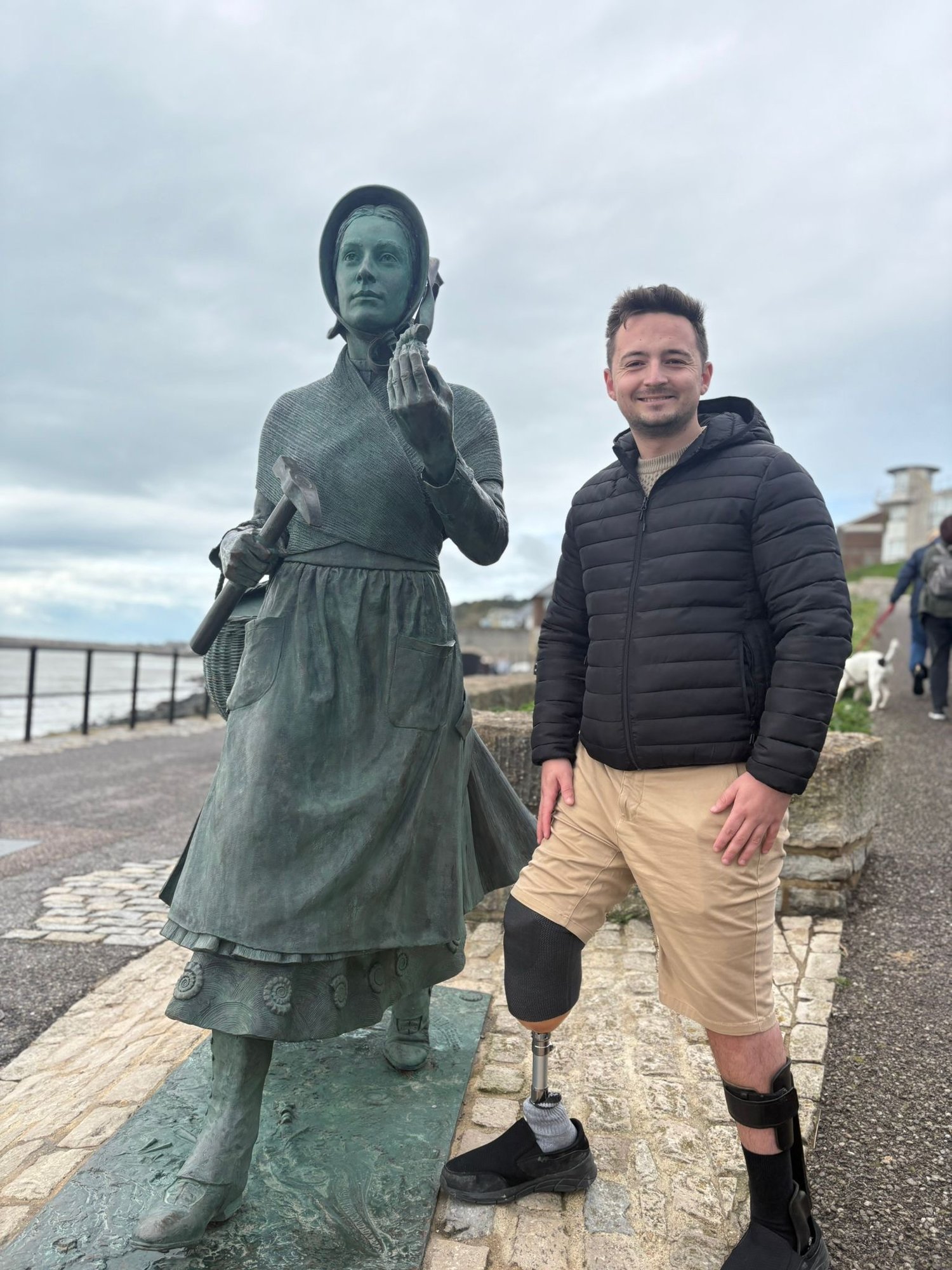
For me, the key to ensuring the Natural History GCSE is truly inclusive is making sure that everyone, including those with hidden or physical disabilities, can access both the course content and, more importantly, the natural world.
The Department for Education (DfE) draft subject content is recommending a minimum of 20 hours of fieldwork. This would be an essential element of the qualification, encouraging students to use nature as a classroom rather than being limited to the four walls of a traditional learning environment. However, this also brings additional considerations to ensure that both students and staff with disabilities can fully participate.
As someone born with clubfoot who, due to the severity of my condition, later underwent a below-the-knee amputation and now uses a prosthetic leg, I understand these challenges firsthand. My experience has shown me that, with the right planning, adaptations, and support, disability should never be a barrier to accessing nature or taking part in meaningful fieldwork.
My aim is to demonstrate that people with disabilities can successfully engage with the natural environment and that inclusive fieldwork is not only possible but beneficial for everyone. By embedding accessibility into the design and delivery of the Natural History GCSE, we can ensure that every learner has the opportunity to experience, explore, and learn from the world around them.
I fully support the introduction of the Natural History GCSE, and I am incredibly honoured to be part of the teacher panel, helping to shape how this GCSE can be delivered in schools. Coming from a working-class background, I never imagined I would have the chance to contribute to something that has the potential to inspire generations of young people to better understand and value the natural world.
Now working at Heath Park, in the heart of Wolverhampton, it's my ambition to become a qualified teacher in time to teach this qualification, as this GCSE would provide students with a valuable opportunity to broaden their understanding of the natural world beyond their immediate surroundings. It would encourage them to explore environments outside the city, develop a deeper appreciation of biodiversity and conservation, and discover potential career pathways within the wildlife and environmental sectors. This qualification would help students recognise the relevance of nature in their everyday lives while opening their eyes to opportunities they may not have previously considered. I’m also filming three documentary series:
- Attenborough’s Animals: An Accessible Adventure — a global journey to discover the species named in honour of Sir David Attenborough and conducted with his personal support to create the series.
- Wild West Midlands — a series celebrating the wildlife, history and culture of the West Midlands. The series includes historic wildlife names such as “Bob Howler” for a moth — aiming to bring the area’s character to life.
- Ranger Ryan — a programme designed to inspire children to connect with wildlife, explore the outdoors and develop a lifelong appreciation for nature.
That is why Natural History GCSE means so much to me. Every young person, regardless of where they grow up or the challenges they face, deserves the opportunity to develop a meaningful connection with nature.
Keep up to date with our proposed GCSE in Natural History and other Cambridge OCR Natural History news by signing up our email newsletter and updates. You can read back issues of our Natural History newsletter here.


