- History and heritage – how knowledge of plant use was passed down through generations via oral traditions, folklore, poetry, art, literature and domestic practice.
-
Botany – identification of native and heritage species, their life cycles, habitats and ecological roles.
-
Chemistry – the role of bioactive plant compounds and how they interact with biological systems in plants and humans.
-
Biology – plant and human physiology, immunity, stress and sleep, connected to traditional plant use.
-
Practical and cultural skills – growing, harvesting, crafting, cooking, natural dyeing and other creative applications.
By exploring these uses, students develop curiosity, critical thinking and scientific literacy, alongside practical skills and environmental awareness. For some pupils, this learning opens pathways into future study and careers in areas such as ecology, conservation, nutrition, pharmacology or medicine. For others, it provides practical tools for lifelong wellbeing and connection with the natural world.
Dilston Physic Garden: heritage plant education today
From crafting and dyeing to ecological restoration and food cultivation, hands-on experiences create memorable learning moments that highlight the importance of both plant and human wellbeing.
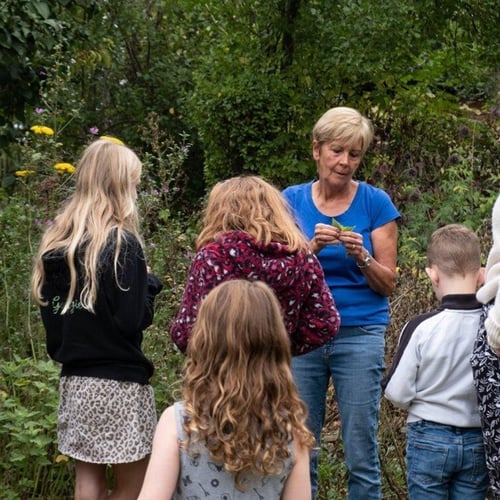
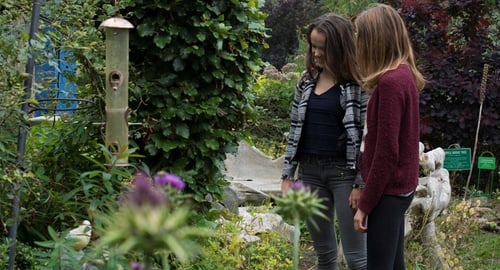
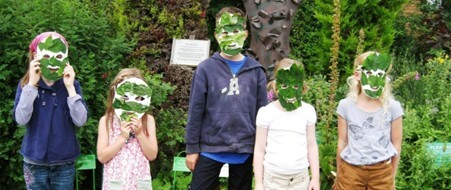
At Dilston Physic Garden, this approach is already being put into practice. Through school visits, home education programmes, Junior Herbalist Clubs (supported by the National Institute of Medical Herbalists) and workshops, children engage directly with the historical use of plants in ways that are scientific and creative.
Feedback from pupils highlights the impact of these experiences:
- “I loved all the colours and smells of the herbs.”
- “I want to make more ointments.”
- “It felt magical -like learning stories and science at the same time.”
These responses demonstrate how powerfully young people respond when learning connects science, heritage and the natural world.
A timely and necessary inclusion
We are living through rising chronic illness, mental health challenges and increasing disconnection from the natural world. Education that reconnects young people with nature, science and traditional knowledge offers a constructive and empowering response.
Historically used plants sit at the intersection of health, science, conservation and culture. Including them within the Natural History GCSE would provide students with a richer understanding of the living world, stronger ecological literacy and practical wellbeing knowledge, alongside opportunities for learning through observation and cultivation.
Ultimately, it would empower young people to take ownership of their lives and to act for their environment and communities.
This article presents an overview of the ideas explored by Dilston Physic Garden. For readers who would like to explore the evidence base and detailed proposals in more depth, we have two supporting documents:
About Dilston Physic Garden
Based in Northumberland, Dilston Physic (coming from the word “physician”) Garden is a charity dedicated to education about historically used plants and the natural world for wellbeing. The garden hosts over 700 European species grown using natural-habitat cultivation methods and offers workshops, courses, and volunteer experiences, with a focus supporting mental and physical health.
Dr Nicolette Perry
Dr Nicolette is Director of Dilston Physic Garden and holds a PhD in pharmacognosy from King’s College London. Her research has focused on plants for brain health, including studies on historically used European sage for Alzheimer’s disease. With a background in the biology of health and disease, her work emphasises the role of edible plants in supporting long-term body and brain wellbeing.
Davina Hopkinson
Davina Hopkinson is a medical herbalist based in Northumberland and a member of the National Institute of Medical Herbalists. She holds a degree in Herbal Medicine and works with schools and communities to share knowledge of historically used plants through talks, walks, workshops and educational clubs at Dilston Physic Garden.
Keep up to date with our proposed GCSE in Natural History and other Cambridge OCR Natural History news by signing up our email newsletter and updates. You can read back issues of our Natural History newsletter here.