|
|
When I started my A Levels, I knew I wanted to study biology, but I didn’t know anything about the natural world, and I thought human biology was my only option in this field. It wasn’t until I met my biology lecturer that I learned about natural history; plant physiology, animal behaviour, fungal networks, entomology, and so much more. I was given the opportunity to borrow books about ecology, listen to talks given by biodiversity officers and attend field trips in the Gower. If I had not met this lecturer, then I wouldn’t have had the chance to learn so much about nature, and I may not have gone on to do a degree in biology and start my career as an ecologist.
Not every young person receives this type of opportunity. They may not meet a lecturer who goes above and beyond to teach their students about the natural world, or even study sciences at a higher level. They may not think they’d be interested in nature at all, or they may get the opportunity to begin their passion sooner. They may even feel lonely in their interest, so decide not to pursue it.
I believe the Natural History GCSE would offer young people a chance to understand nature and get involved. It would be able to provide them with resources to access the natural world – creating curiosity about the environment and offering them opportunities to get outside.
 I also believe it would alleviate some eco-anxiety that many young people feel by empowering them to make a difference. I think many young people feel
alone in their eco-anxiety, like they’re the only one who cares and they don’t know what to do. The Natural History GCSE would allow them to learn the facts about how climate change affects us and the environment, along with understanding the solutions. Most importantly, I think it would give them hope for the future. Many young people feel hopeless in the face of climate change and the Natural History GCSE could give the opportunity to change that, encouraging young people to stand together.
As someone who is a part of the Butterfly Conservation Youth Panel, we are always discussing the lack of engagement of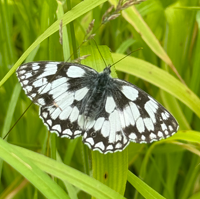 young people in the organisation – a sentiment echoed by other nature charities. Offering a Natural History GCSE would motivate more young people to interact with these charities and learn from their senior staff and volunteers, giving them an opportunity to learn from those in the field. Joining the Butterfly Conservation Youth Panel myself, I learned that there are other people like me who care deeply about nature. For example, I’ve been able connect with people in Wales who are involved with nature and conservation. I have been able to meet farmers who care about butterflies, people who have managed land for over 30 years, and other young people who are much more knowledgeable than I am! I learned about the Welsh landscape, habitats and species found all around me. Connecting with nature has made me prouder of my own heritage, and giving young people the chance to get outside could do the same.
Creating a community around nature, and showing young people it isn’t an obscure hobby, would be a great thing that the Natural History GCSE can do, and I look forward to a time where involvement in nature is a normal thing for a young person to do.
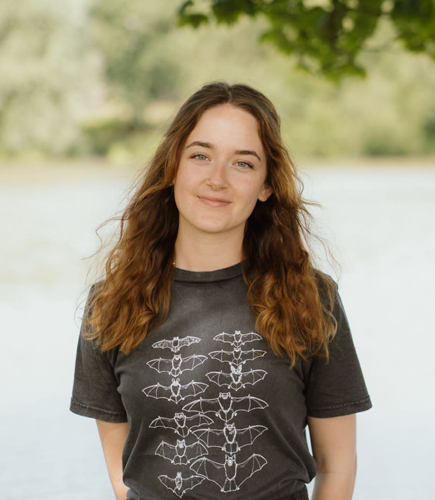
Chloe Mills
Chloe is a Butterfly Conservation Youth Panel member with a passion for butterflies, moths and youth engagement. Day to day, she's a graduate ecologist for the South Wales Trunk Road Agent, where she gets opportunities to improve biodiversity along the highways in South Wales. She cares deeply about nature in Wales and tries to get involved wherever possible!
Keep up to date with our proposed GCSE in Natural History and other Cambridge OCR Natural History news by signing up our email newsletter and updates. You can read back issues of our Natural History newsletter here.


