Edd Moore is an award-winning environmentalist, author, former primary school teacher, sustainability consultant who has championed environmental education for over a decade. He led a Dorset primary school to national and international eco awards, was named a Coronation Champion and received Foundation for Environmental Education (FEE) Teacher of the Year award.
Edd was Primary Curriculum Coordinator at Green School Bali, recognised as a leading global eco-school.
His Bloomsbury book, 100 Ideas for Primary Teachers: Greener School, features a foreword by Dr Jane Goodall DBE and is supported by the UK Department for Education’s Climate Ambassadors Scheme, Let’s Go Zero and the Foundation for Environmental Education.
Through Eco Edd, he helps schools and organisations put climate action at the heart of learning.
Climate change is one of the greatest challenges facing our world. Rising temperatures, extreme weather, pressure on food and water supplies and the loss of biodiversity are already affecting communities and ecosystems. The challenge for the next generation is not only to respond to these changes, but to find new and innovative ways to live, grow food, manage water and protect the natural world.
This is why I believe the Natural History GCSE is so important.
Through my work with young people, I have seen how spending time outdoors can transform the way they see the world. When young people are encouraged to become environmental nature citizens, they begin to understand that trees, rivers, wildlife, soil, food and climate are all connected.
Learning from nature
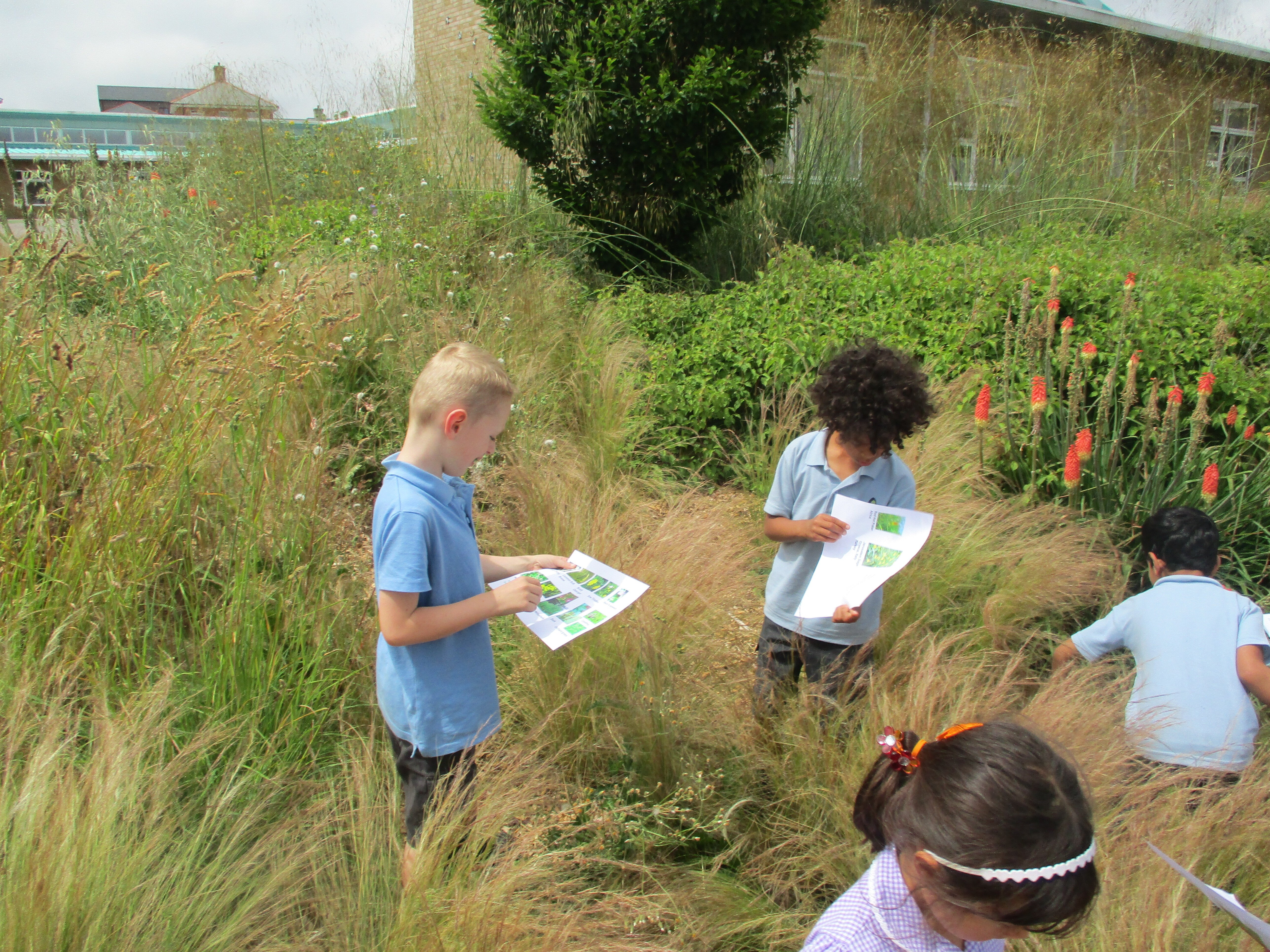
One of the simplest and most powerful activities is nature journalling. Young people sit quietly, use their senses and observe what is around them. They draw, make notes and ask questions: What is it? Why is it here? How does it live? Who depends on it? Their journal becomes a personal record of discovery. I have seen young people become so fascinated by what they find that they continue exploring after school, at weekends and during the holidays. They return to their journals, add new discoveries and share their knowledge with others. Some have become confident enough to explain the wildlife, trees and wildflowers they have discovered to adults and visitors, even giving their own informal guided tours of the local area. This builds confidence, communication skills and a genuine sense of ownership of their environment.
Turning the local environment into a classroom
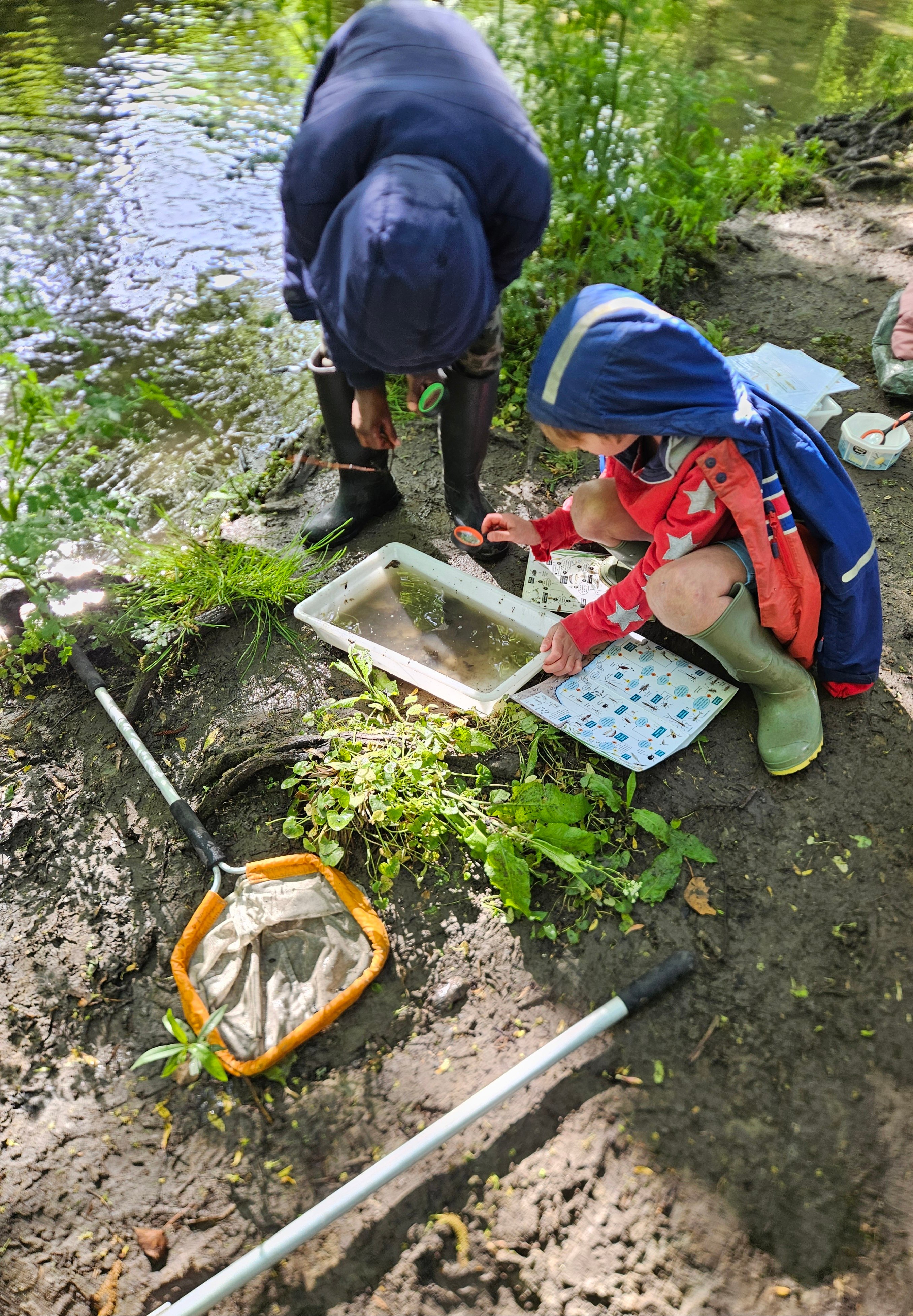
A river or stream running through a village or town can become an extraordinary outdoor classroom. Young people can investigate the impact of farming fertilisers, sewage, litter and fly-tipping on water quality. They can look for bullhead fish, crayfish, emperor dragonflies, butterflies and other wildlife. They can listen for birds such as chaffinches and reed warblers and learn why species such as otters are important to healthy ecosystems. They can test water quality, investigate soil, count butterflies and identify plants and trees.
A BioBlitz – where participants have 24 hours to find as many plant, animal and fungus species as possible, using tools such as iNaturalist – can encourage students to find and record plants, trees, fungi, lichens, birds, mammals and invertebrates such as bees, butterflies, worms, woodlice, spiders and beetles. These activities develop real scientific skills: observation, identification, recording, questioning, data collection and analysis.
Understanding climate change through trees
Young people can also investigate carbon capture by trees, or carbon sequestration. Trees absorb carbon dioxide and store carbon in their wood, leaves, roots and surrounding soil. By choosing four trees in their school grounds or nearby local area, observing them through the seasons and recording their findings, students can connect something they can see and touch with the much bigger issue of climate change. They can begin to understand the importance of trees, soil, biodiversity and green spaces, while also considering air pollution from transport and the environmental impact of fossil fuels.
From nature to green skills
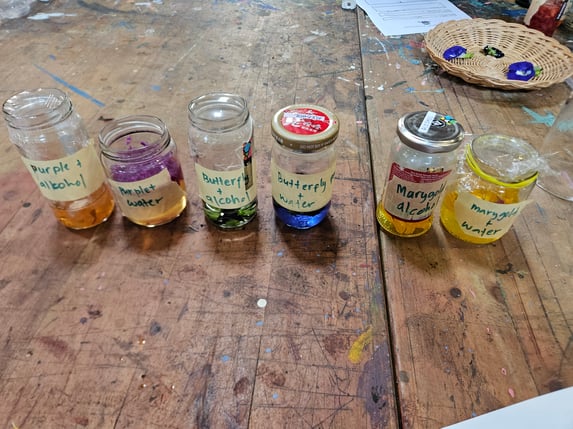
Nature can also inspire innovation. Through biomimicry, young people can look at how nature solves problems and ask how those solutions might inspire new products, materials or technologies. They can investigate natural colours and dyes, sustainable materials and ways of reducing our dependence on plastics and other environmentally damaging products. These experiences can help young people see opportunities within the growing green-skills economy, from conservation and environmental science to sustainable farming, renewable energy, engineering, technology and green business.
Food, soil and the future
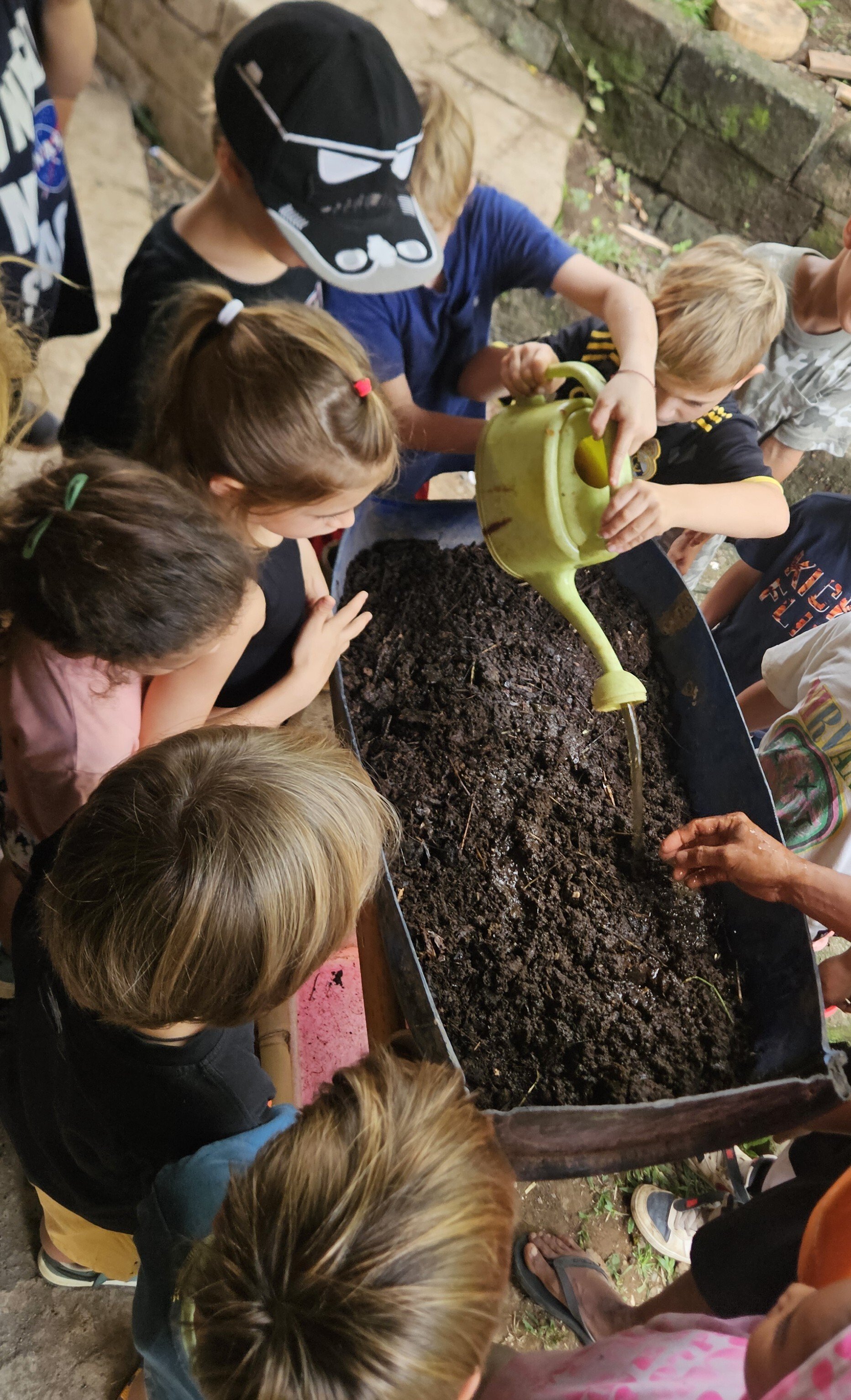
Growing food provides another powerful connection. Young people can investigate food miles, seasonal produce, packaging and food waste. Growing vegetables at school allows them to understand soil, weather, seasons, pollination and the journey from seed to plate. They can ask simple but important questions: Where did this food come from? How far has it travelled? What is in season? How much do we waste? Could we grow some of our own food? Food waste is also a climate issue, particularly because organic waste in landfill can produce methane.
Giving young people time in nature
I would love to see young people spending a minimum of 20 hours of fieldwork in the Natural History GCSE immersed in nature observing, recording, questioning and discovering. Twenty hours can change the relationship a young person has with their local environment. They begin by noticing a tree, a bird, a butterfly or a river. Then they start asking questions. These questions lead to knowledge, and knowledge can lead to action.
This is why the Natural History GCSE matters. We need young people who understand the natural world, value it and have the confidence to protect it. We need young people who can observe, investigate, innovate, communicate and who can go on to develop the green skills, businesses and ideas that our future will need. The Natural History GCSE could help create a generation who do not simply learn about nature, but learn from nature. If we give young people the opportunity to explore their local environment, understand how everything is connected and discover that their actions can make a difference, we are investing not only in their education, but in the future of our planet.
Young people are not just the environmental citizens of tomorrow. Give them the opportunity, and they can be the environmental leaders of today.
.jpg?width=1041&height=1041&name=Profile%20Pictures%20FOE%20(1).jpg "Profile Pictures FOE (1)")


