


We're removing barriers, not opportunities header text
Teacher talking in room to individual

A fair education has no barriers

Our aim at Cambridge OCR is straightforward. To create an assessment experience that allows every student to demonstrate their knowledge, understanding and skills.

What do we mean by accessible? It means removing unnecessary barriers so students can fully demonstrate their knowledge and skills without disadvantage caused by the assessment itself.

Accessibility is not a separate workstream bolted on at the end. It’s built in from the moment a qualification is designed. Our accessibility framework ensures we develop qualifications and assessments that are clear, consistent and straightforward.

Our accessibility principles guide how we put our accessibility framework into practice. They include:

Making assessment straightforward in a shield
  • Clear plain English language
  • Consistent structure, visual indicators and terminology
  • Careful management of cognitive demand
  • Logical structure and sequencing
  • Clear understanding of what students are being asked to do/show
  • Fair access, regardless of background or learning differences
  • Clearly defined and inclusive specification content
  • Accurate sample assessment materials and practice papers

What it means to teachers

Our accessibility principles are developed from teacher, school and college feedback. Watch the testimonials, read the stories, then go deeper with our research-led articles, guides and blogs.

“Cambridge OCR removed barriers that prevent students from doing their best.”
Gemma Scott,Vice-Principal Franklin Sixth Form College

Teacher pointing to laptop with students onlooking

What does accessible assessment look like?

Watch as teachers and leaders talk about what Cambridge OCR's accessible assessments look like in practice.

Franklin Sixth Form College

"Flexibility in assessment gives students the opportunity to achieve their very best."

Hornsea School and Language College

"There’s no ambiguity, so students know what’s being asked and can produce their best work."

Repton School

"Subject advisor advice is readily available, and teacher guidance and support are always there when needed."

Bromsgrove School

"Consistency of structure and language gives our students real confidence."

St Paul's School

"What Cambridge OCR does really well is choose contexts that are accessible for any young person."

Brockenhurst College

"The mark schemes are very clear and help students understand exactly what they need to do."

Case studies from the classroom

Read teachers' experiences of using our accessible assessments and the impact they're having on student confidence and outcomes. Discover what they'd tell colleagues considering their options, and why Cambridge OCR stands out as a leader in accessible assessments.

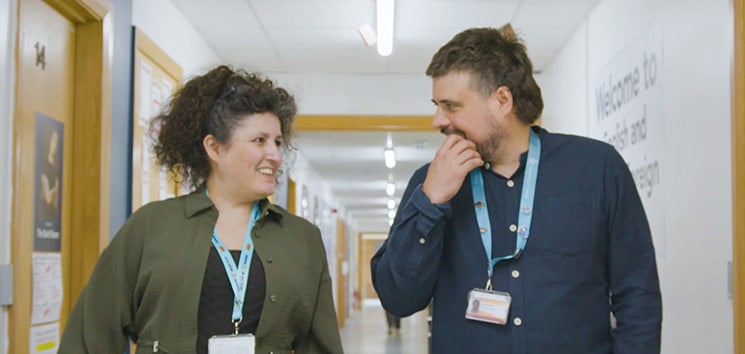
Brockenhurst school corridor teachers

Brockenhurst College

"Through a sense of diversity and inclusivity, Cambridge OCR removes barriers and allows all students to achieve."

Download the case studyPDF File Icon

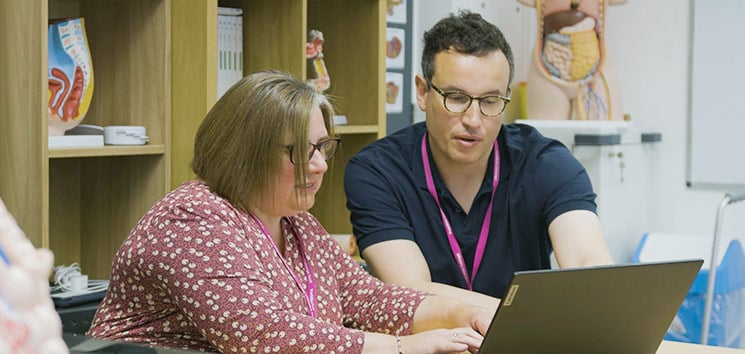
Franklin Sixth Form College Teachers

Franklin Sixth Form College

"Cambridge OCR is very fair and equitable in how students are assessed. Their approach to assessment fits with our ethos as a college."
Download the case studyPDF File Icon

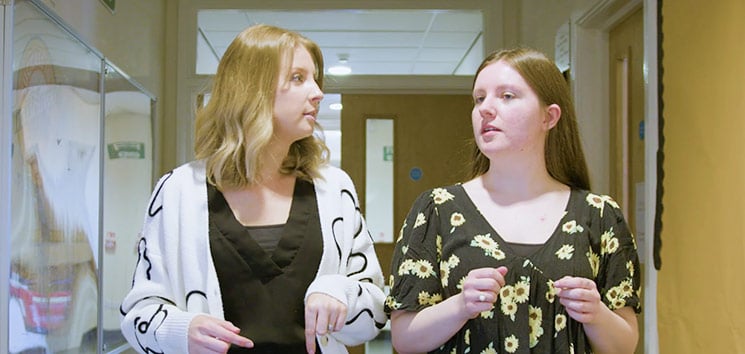
Hornsea School Teachers

Hornsea School and Language College

"The language is always clear. There’s no ambiguity, so students know what’s being asked and can produce their best work."
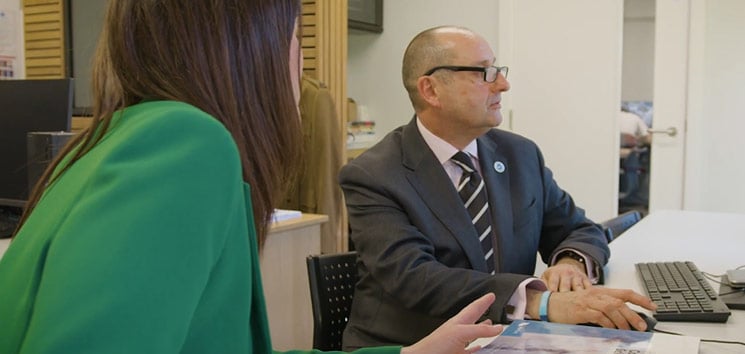
Download the case studyPDF File Icon

Bromsgrove School Teachers

Bromsgrove School

"Questions are much more straightforward, and there’s much less clutter. We really value the expert support and advice."
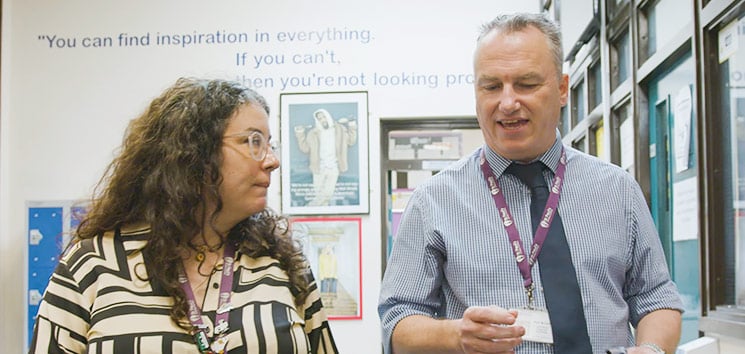
Download the case studyPDF File Icon

St Pauls School Teachers

St Paul's School

"If teachers can access resources easily, it means we can use them more effectively, and students benefit from that straight away."

Download the case studyPDF File Icon

Repton School Teachers

Repton School

"The papers are well laid out and clear to read, allowing all students full access."

Download the case studyPDF File Icon

Resources and materials

Cambridge OCR leads the way in accessibility, and we continually review and refine our approach to ensure no student faces unnecessary barriers. Accessibility isn’t just a word we say, or something we’re unclear on. Combining teacher and sector insight with Cambridge research and expertise, we know what accessibility in assessment looks like. And we’re here to deliver it.

Teacher looking over students in classroom

Why accessibility matters for school and college leaders

Read our article, ‘A strategic imperative for school and college leaders’, which explains how removing hidden barriers is not about lowering standards; it makes assessment fairer for every student.

Two teachers laughing

Cambridge OCR: accessible assessment at every stage

Helping you to remove barriers to success, so every student can demonstrate what they know and progress with confidence.

Teacher laughing in classroom

A guide to accessible assessment for your classroom

Let us support you to remove unnecessary barriers in the classroom so students can focus on the knowledge and skills you’re trying to assess.

Teacher and student outside school grounds

Quick look: What is accessible assessment?

Put simply, it allows students to demonstrate their knowledge, skills and understanding by removing unnecessary barriers.

Find out what makes Cambridge OCR different – request a callback

Connect with us!

Follow our channels and sign up for email communications for the latest subject updates, resources and support from Cambridge OCR.

Find out what makes Cambridge OCR different →